DSIP — The Peptide That Targets
Your Sleep Architecture
Pharmaceutical-grade DSIP, compounded by a U.S.-licensed 503B outsourcing facility and prescribed by a licensed physician. Not research grade. Not gray market. Your consultation, supplies, and 2-day FedEx shipping are included.
Most sleep interventions sedate you. DSIP does something different: it directly promotes the delta wave activity that defines deep, restorative sleep.
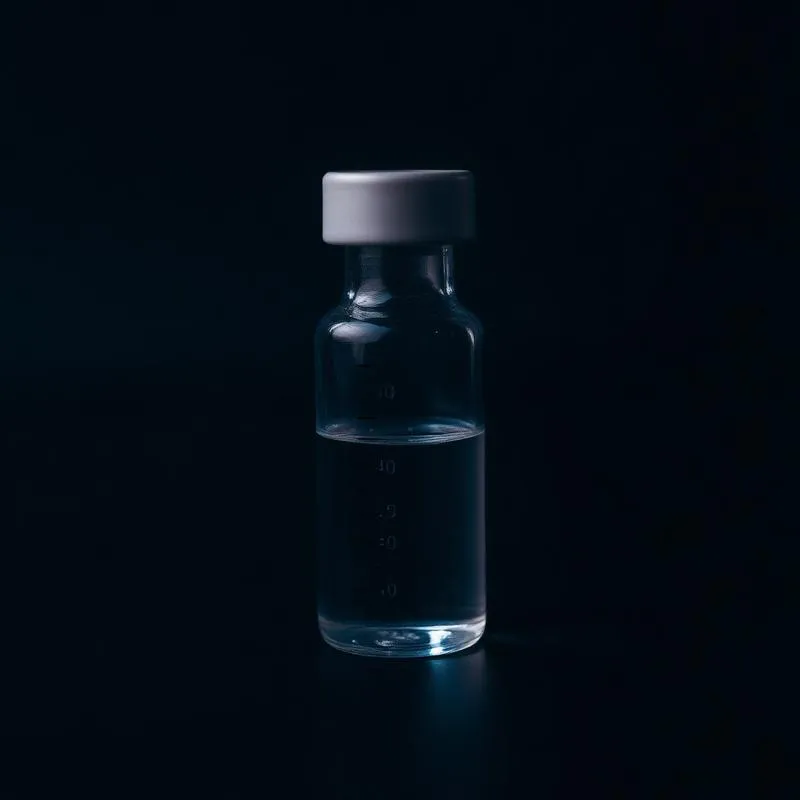
Prescription required. Provider consultation, supplies, and shipping included.
What Is DSIP?
DSIP (Delta Sleep-Inducing Peptide) is a nonapeptide — nine amino acids (Trp-Ala-Gly-Gly-Asp-Ala-Ser-Gly-Glu) — first isolated in 1974 from the thalamic nuclei of rabbits during slow-wave sleep. It became one of the earliest peptides identified as having a direct and specific role in sleep regulation, and it remains one of the few compounds capable of promoting slow-wave sleep architecture rather than simply inducing sedation.
Peptide type
Nonapeptide (9 amino acids)
Primary site of action
Thalamic and hypothalamic sleep-regulatory circuits
Sleep stage targeted
N3 slow-wave sleep (delta waves, 0.5–4 Hz)
Secondary effects
Cortisol modulation, HPA axis normalization
Dependency profile
None identified — no tolerance development
Morning sedation carry-over
None — no impairment to daytime alertness
How DSIP Works
Most sleep aids work by suppressing the nervous system broadly. DSIP operates on a completely different axis: it signals within the architecture of sleep itself.
Direct Thalamic Delta Wave Promotion
DSIP acts on thalamocortical circuits, the same circuits responsible for generating the synchronized delta wave oscillations (0.5–4 Hz) that define N3 slow-wave sleep. Rather than suppressing wakefulness broadly, DSIP signals within the architecture of sleep itself, promoting the conditions under which delta activity naturally occurs.
Cortisol and HPA Axis Modulation
Elevated evening cortisol is one of the most common physiological barriers to deep sleep. DSIP has been shown to reduce excess cortisol secretion and normalize HPA axis tone, lowering the hormonal interference that prevents patients from reaching and sustaining N3.
No Dependency: Works Within Endogenous Circuits
Because DSIP acts within the brain's natural sleep-generating machinery rather than overriding it, it does not produce the tolerance or rebound insomnia associated with sedative compounds. Patients don't need to increase the dose over time to maintain efficacy.
Stress-Induced Sleep Disruption
DSIP shows particular benefit in patients whose sleep disruption is driven by psychological or physiological stress, including elevated allostatic load, night-time cortisol spikes, and stress-sensitized arousal thresholds. DSIP addresses both the downstream effect (poor delta wave activity) and the upstream driver (dysregulated HPA output) simultaneously.
What DSIP Can Do
DSIP is not a broadly sedating compound. Its benefits are specific to the quality and architecture of sleep, which is exactly where the clinical consequences of poor sleep originate.
More Time in N3 Slow-Wave Sleep
N3 is where the most physiologically meaningful work of sleep happens: tissue repair, immune consolidation, GH secretion, and synaptic pruning. DSIP promotes the architecture that makes sleep regenerative.
Waking Refreshed, Not Sedated
Because DSIP promotes natural delta wave activity rather than suppressing the CNS broadly, there is no morning sedation hangover. Patients report feeling genuinely rested rather than chemically blunted.
Reduced Stress-Driven Sleep Fragmentation
Patients whose sleep disruption stems from elevated cortisol, anxiety, or chronic stress often see the most dramatic response. DSIP's HPA modulation addresses the physiological root of the problem.
No Tolerance or Dependency
DSIP can be used in structured protocols without the progressive dose escalation, rebound insomnia, or physical dependency that complicate long-term use of most sleep medications.
Synergy with GH-Stimulating Peptides
The pulsatile growth hormone release stimulated by secretagogues like CJC-1295/Ipamorelin or Sermorelin occurs primarily during N3 slow-wave sleep. DSIP deepens the sleep stage those compounds depend on.
Who Is DSIP For?
DSIP is a targeted intervention for a specific problem: poor sleep architecture. The following profiles describe the patients who respond best.
The Patient Who Sleeps Enough But Wakes Unrefreshed
Seven or eight hours in bed, but never feeling like they actually recovered. Tracking data shows minimal time in deep sleep. The hours are there, but the architecture is not. DSIP is the most direct available intervention for this pattern.
High-Stress, High-Cortisol Patients
Chronic stress, demanding careers, athletes in heavy training blocks, anyone whose HPA axis is running hot at night. Elevated cortisol is structurally incompatible with deep sleep.
Patients Currently Using GH Secretagogues
CJC-1295/Ipamorelin, Sermorelin, or Tesamorelin patients not seeing expected body composition and recovery benefits may simply be failing to reach adequate N3 depth for GH pulsatility to occur.
The Patient Who Wants to Avoid Sedating Compounds
Patients who have experienced or want to avoid the dependence, morning impairment, or rebound insomnia of pharmaceutical sleep aids, but whose sleep is genuinely disrupted enough to warrant clinical intervention.
Age-Related Sleep Architecture Degradation
Deep sleep time declines significantly with age. N3 can decrease by more than 50% between early adulthood and middle age. DSIP directly targets the delta wave output that natural aging suppresses.
DSIP Dosing and Protocol
Dosing guidance below is for general educational reference only. Your VitalRx provider will establish your specific protocol, dose, and cycle length based on your health history, current medications, and clinical goals.
Typical Starting Dose
100–200mcg subcutaneously, administered 30–60 minutes before intended sleep time. The 2mg/mL (5mL) vial allows flexible dosing within this range throughout the course of a protocol.
Administration Timing
Pre-sleep subcutaneous injection, 30 to 60 minutes before bed is standard. Unlike sedatives, DSIP does not produce an onset effect you need to be in bed for.
Cycle Structure
DSIP is typically used in defined cycles; common protocols run 5 nights on / 2 nights off, or nightly for 4–8 weeks followed by a structured break. Because DSIP does not produce tolerance, cycling is for protocol management rather than dependency prevention.
Stacking Considerations
DSIP pairs particularly well with CJC-1295/Ipamorelin or Sermorelin. DSIP deepens the N3 architecture, while GH secretagogues amplify the pulsatile GH release that occurs within it. Epithalon is another common stack partner.
DSIP Available at VitalRx
All pricing below includes the async telehealth provider consultation and FedEx Standard Overnight shipping.
DSIP 2mg/mL, 5mL Injectable
100–200mcg dosing range supports a full treatment cycle. Subcutaneous injection, administered pre-sleep. Syringes and alcohol swabs included.
$191.67
Subcutaneous Injection
- Async telehealth provider consultation
- Prescription fulfillment through Optimal Balance Pharmacy
- FedEx Standard Overnight shipping
- Syringes and alcohol swabs
FedEx Standard Overnight: $15.00. Syringes and alcohol swabs included.
All products require a valid prescription. Async provider visit is included with your order.
How to Get Started with DSIP at VitalRx
Start Your Async Consult
Complete a brief health intake at your own pace, with no video call and no waiting room. You'll answer questions about your sleep patterns, stress levels, current medications, and health history.
Provider Review and Prescription
A licensed provider reviews your intake and, when clinically appropriate, issues your prescription. The provider consultation is included with your order.
Overnight Delivery
Your prescription is filled by Optimal Balance Pharmacy and shipped via FedEx Standard Overnight. Syringes and alcohol swabs are included.
Prescription required. Async provider visit included. All compounds prepared by Optimal Balance Pharmacy.
Related Treatments
CJC-1295 / Ipamorelin
The most commonly prescribed GH secretagogue stack — and the compound most directly synergistic with DSIP.
Sermorelin
Physiologically faithful GHRH-driven GH stimulation. Sermorelin's efficacy is tied to the quality of slow-wave sleep.
Peptides for Sleep — Full Category
Compare all sleep peptides available at VitalRx by mechanism, use case, and pricing.
Frequently Asked Questions About DSIP
The content on this page is for informational purposes only and does not constitute medical advice. DSIP is a prescription-only compounded medication. Consult a licensed healthcare provider before beginning any peptide therapy protocol. Individual results vary. Statements have not been evaluated by the Food and Drug Administration. This product is not intended to diagnose, treat, cure, or prevent any disease.